School of Agricultural & Food Science

Agricultural Production Technology

Program Overview

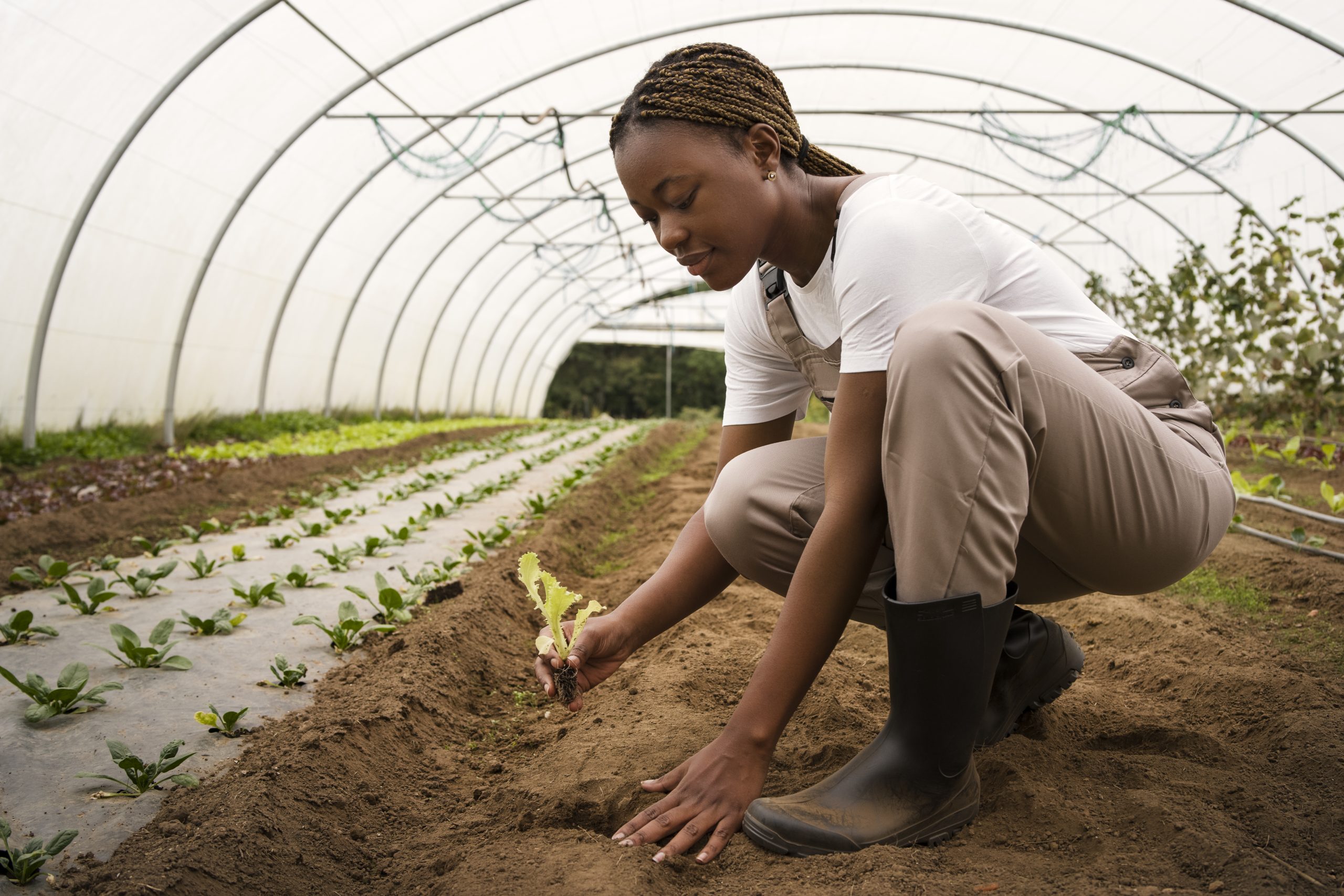
Maximizing food production while maintaining environmental balance requires a deep understanding of modern agronomic science and field execution. The Agricultural Production Technology program at ISEST is a practical, hands-on program that trains students in advanced crop cultivation, soil science, plant protection, and greenhouse management.

The curriculum covers high-yield plant genetics, organic farming, integrated pest management, and the use of modern precision farming equipment. Available at the HND level with progression to a B.Tech, this program spends extensive time in fields, experimental plots, and research greenhouses. Graduates enter the market with the operational skills needed to run commercial nurseries, maximize open-field crop outputs, and lead sustainable production lines in a changing climate.
Main Objectives

  • To teach the scientific principles of crop physiology, soil taxonomy, and plant nutrition.
  • To master advanced plant multiplication techniques, tissue culture, and nursery management.
  • To build expert proficiency in diagnosing and managing crop diseases, weeds, and insect pests.
  • To train students in operating modern agricultural irrigation systems and precision greenhouse technologies.
  • To develop commercial-scale crop production strategies that optimize land, water, and fertilizer inputs.

Program Duration

2 Years

HND in Agricultural Production Technology

1 Year

BTech in Agricultural Production Technology

Internship

Included at both levels

Study Options

Day and Evening Sessions

Skills Acquired

Graduates of the program will be proficient in:

  • Agronomic Crop Husbandry: Managing growth cycles from seed nursery planting to industrial harvest for root crops, cereals, vegetables, and cash crops.
  • Greenhouse & Hydroponics Management: Controlling temperature, humidity, shading, and nutrient-enriched water solutions in automated environments.
  • Soil Fertility Auditing: Conducting soil sampling, interpreting laboratory chemical profiles, and designing accurate fertilizer schedules.
  • Integrated Pest Management (IPM): Combining biological, mechanical, and safe chemical treatments to eliminate pests without damaging ecosystems.
  • Precision Farm Operations: Operating precision seeders, fertilizer spreaders, and calibrated spraying machinery.
  • Harvest & Quality Sorting: Executing correct post-harvest trimming, sorting, curing, and temporary storage methods to protect produce shelf life.

Target Audience

  • Baccalauréat/A-Level graduates with a passion for plant biology, biotechnology, and active outdoor production engineering.
  • Traditional crop farmers looking to adopt modern high-density farming methods and precision equipment.
  • Nursery operators, landscape designers, and greenhouse technicians wanting to earn accredited engineering credentials.
  • Aspiring agropreneurs who want to launch high-yield commercial fruit, vegetable, or cash crop plantations.

Career Opportunities

Graduates can pursue roles such as:

  • Agronomist / Farm Production Manager
  • Greenhouse Operations Specialist
  • Commercial Nursery Manager
  • Crop Protection Officer / Phytosanitary Inspector
  • Technical Field Representative for Seed & Fertilizer Firms
  • Soil Testing Lab Technician
  • Independent Commercial Crop Entrepreneur

Opportunities for Further Studies

  • Master’s degrees in Agronomy, Crop Science, Soil Science, Plant Biotechnology, or Protected Agriculture Engineering.
  • Professional Certifications in:
    • Certified Crop Adviser (CCA)
    • GlobalGAP (Good Agricultural Practices) Auditor Certification
    • Organic Farming & Permaculture Design Certifications
    • Hydroponics and Soilless Culture Specialist Certifications

Cultivate. Protect. Harvest.
Master the science of the soil. Apply cutting-edge agronomic technology to maximize yields and drive regional food security with the Agricultural Production Technology program.