
Mechanical Construction

Program Overview

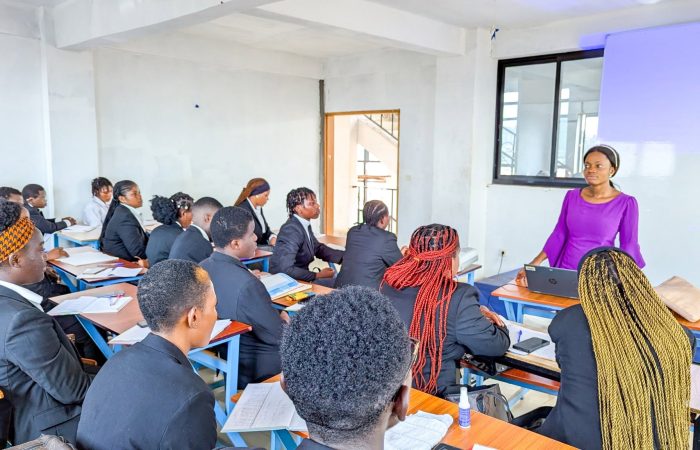
Every heavy industrial plant, skyscraper, bridge, and offshore rig relies on complex steel skeletons, pressurized piping networks, and massive mechanical assemblies. The Mechanical Construction program at ISEST is an advanced technical engineering discipline designed to train structural fabricators, mechanical construction site managers, and industrial designers who can turn architectural blueprints into massive, load-bearing physical realities.

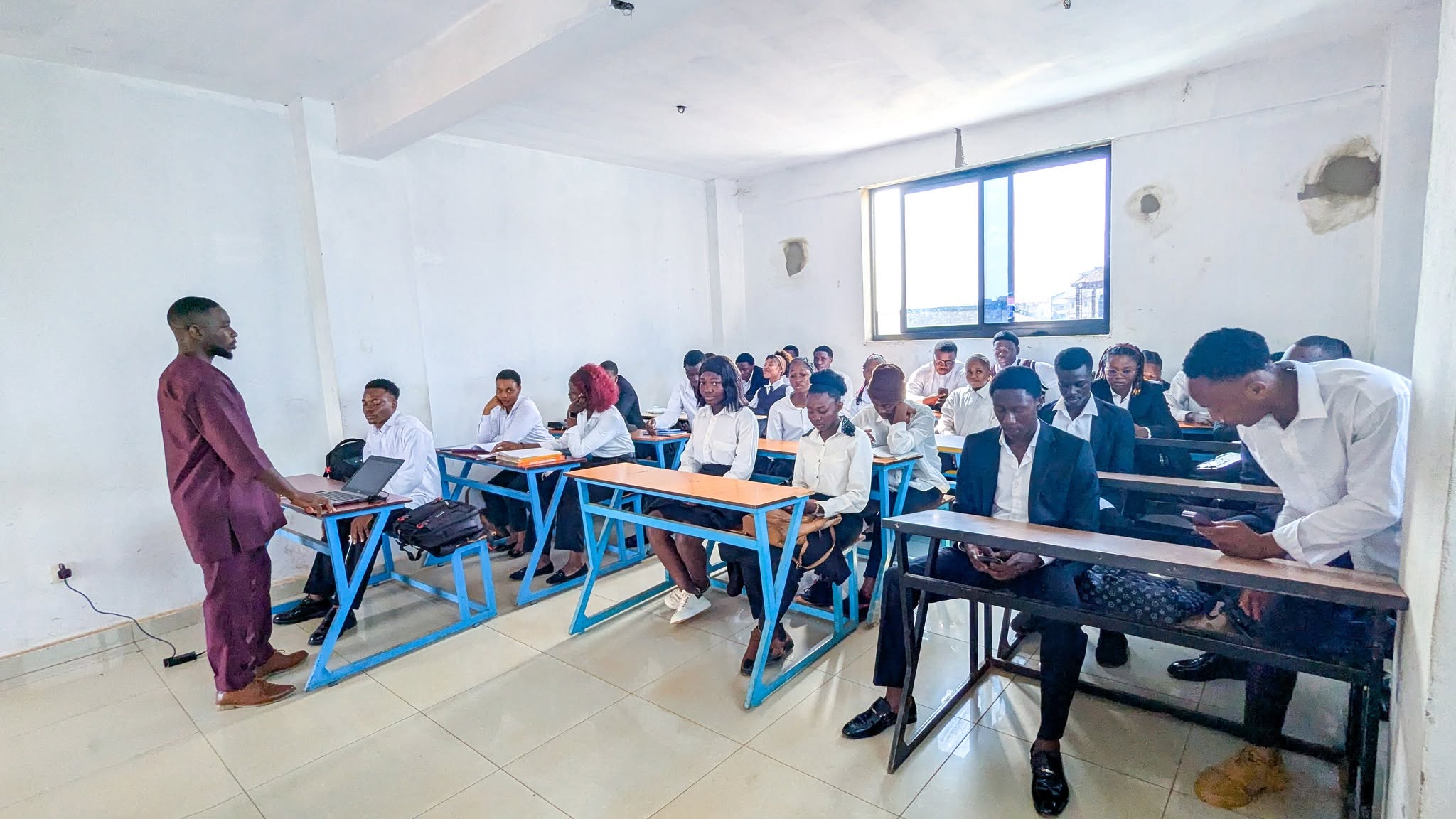
This program bridges the gap between mechanical engineering principles and civil-scale construction. Enrolling at the HND level and progressing to a B.Tech, students train in heavy industrial fabrication yards and digital design studios. They master advanced structural welding, heavy-gauge plate development, industrial pipefitting, and structural stress calculation using finite element analysis (FEA) software. Graduates emerge as highly skilled construction specialists ready to manage massive infrastructure installations, oversee oil and gas piping setups, and direct metal construction firms.
Main Objectives

  • To teach the mechanics of materials, structural statics, and metallurgical behaviors under extreme load, tension, and environmental stress.
  • To develop expert proficiency in reading, interpreting, and drafting complex structural layout drawings, piping and instrumentation diagrams (P&IDs), and 3D industrial blueprints.
  • To train students in advanced industrial metal forming, plate layout cutting, heavy-gauge bending, and structural assembly techniques.
  • To build mastery in utilizing industry-standard Computer-Aided Design (CAD) and simulation software to design and test metal structures virtually.
  • To equip graduates with comprehensive project management skills, covering material takeoff estimation, construction site safety codes, and rigorous quality assurance auditing.

Main Objectives

2 Years

HND Mechanical Construction

1 Year

B.Tech in Mechanical Construction

Internship

Included at both levels

Study Options

Full-time / Part-time / Evening

Skills Acquired

Graduates of the program will be proficient in:

  • Structural Layout & Fabrication: Executing precise calculations for pattern development, plate bending, and heavy structural steel alignment.
  • Industrial Pipefitting & Routing: Designing, cutting, threading, and installing high-pressure industrial piping systems for fluid and gas transport.
  • Advanced CAD & BIM Modeling: Utilizing software suites like AutoCAD Mechanical, SolidWorks, and Tekla Structures to build complex 3D framework models.
  • Structural Stress Analysis: Performing basic Finite Element Analysis (FEA) to verify the load-bearing capacities and safety thresholds of mechanical designs.
  • Rigging & Heavy Lifting Operations: Calculating load centers, sizing crane riggings, and executing safe crane lifting protocols for massive steel frames.
  • HSE Construction Safety: Managing industrial risk factors on-site, executing strict scaffolding guidelines, and enforcing strict international safety codes.

Target Audience

  • Baccalauréat/A-Level graduates with a powerful interest in physics, structural geometry, and seeing large-scale physical structures built from scratch.
  • Experienced welders or fabricators looking to step away from basic field work and enter high-level project management, drafting, and site supervision.
  • Technical school alumni looking for a highly stable engineering niche with immediate, high-paying career opportunities across civil infrastructure, maritime, and energy sectors.
  • Aspiring real estate structural contractors, steel warehouse manufacturers, and industrial infrastructure entrepreneurs.

Career Opportunities

Graduates can pursue roles such as:

  • Mechanical Construction Site Supervisor
  • Structural Steel Designer / CAD Draftsman
  • Industrial Piping Installation Coordinator
  • Mechanical Estimator / Cost Analyst
  • Quality Assurance & Weld Inspection Officer
  • Heavy Infrastructure Project Planner
  • Independent Metal Construction Contracting Entrepreneur

Opportunities for Further Studies

  • Master’s degrees in Structural Engineering, Civil-Mechanical Infrastructure, Material Science Engineering, or Construction Project Management.
  • Professional Certifications in:
    • National Order of Civil Engineers / Engineering registration boards (ONIGC/relevant local licensing bodies)
    • American Welding Society (AWS) Certified Welding Inspector (CWI)
    • Project Management Professional (PMP)
    • Health, Safety, and Environment (HSE) Professional Certifications (OSHA, NEBOSH)

Blueprint. Fabricate. Erect.

Engineer the heavy infrastructure that defines modern industrial landscapes. Master the calculations, the 3D software, and the raw metal fabrication techniques required to build the future with the Mechanical Construction program.