
School of Home Economics & Social Works

Fashion Design and Clothing

Program Overview

Fashion is a multi-billion dollar global industry that blends artistic expression with industrial precision. The Fashion Design and Clothing program at ISEST is an intensive, technology-driven discipline designed to train the next generation of creative directors, master pattern drafters, and fashion entrepreneurs.

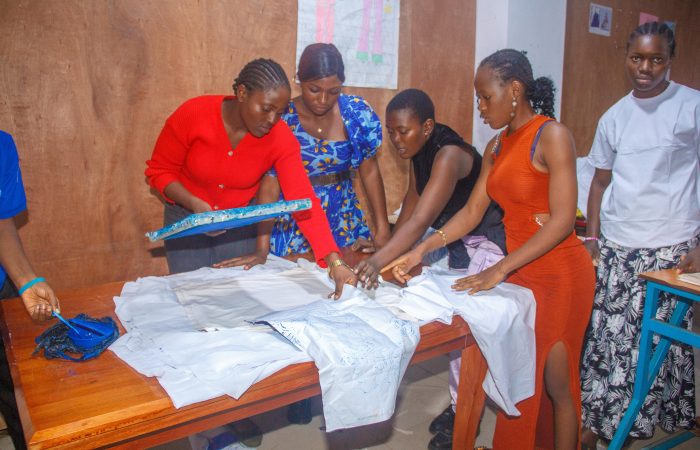
This program moves beyond basic dressmaking to focus on the engineering of garments. Enrolling at the HND level and progressing to a B.Tech, students train in industrial design studios equipped with professional cutting tables, specialized machinery, and CAD software. They master the entire lifecycle of a garment—from conceptual sketching and textile selection to 3D pattern drafting and industrial mass production. Graduates emerge as technical designers capable of launching luxury couture houses, managing textile factories, or designing for international fashion markets.
Main Objectives

  • To teach the principles of artistic design, color theory, and fashion illustration.
  • To develop expert proficiency in technical pattern drafting, draping, and garment construction.
  • To master the science of textiles, including fabric properties, fiber identification, and fabric manipulation techniques.
  • To train students in utilizing Computer-Aided Design (CAD) for digital pattern making and collection mapping.
  • To equip graduates with the business acumen required to build a fashion brand, manage production costs, and execute global marketing strategies.

Main Objectives

2 Years

HND in Fashion Design and Clothing

1 Year

B.Tech in Fashion Design and Clothing

Internship

Included at both levels

Study Options

Day and Evening Sessions

Skills Acquired

Graduates of the program will be proficient in:

  • Creative Illustration: Sketching fashion silhouettes and technical “flats” to communicate design concepts.
  • Pattern Drafting & Grading: Creating precision templates from scratch and adjusting them for various size ranges.
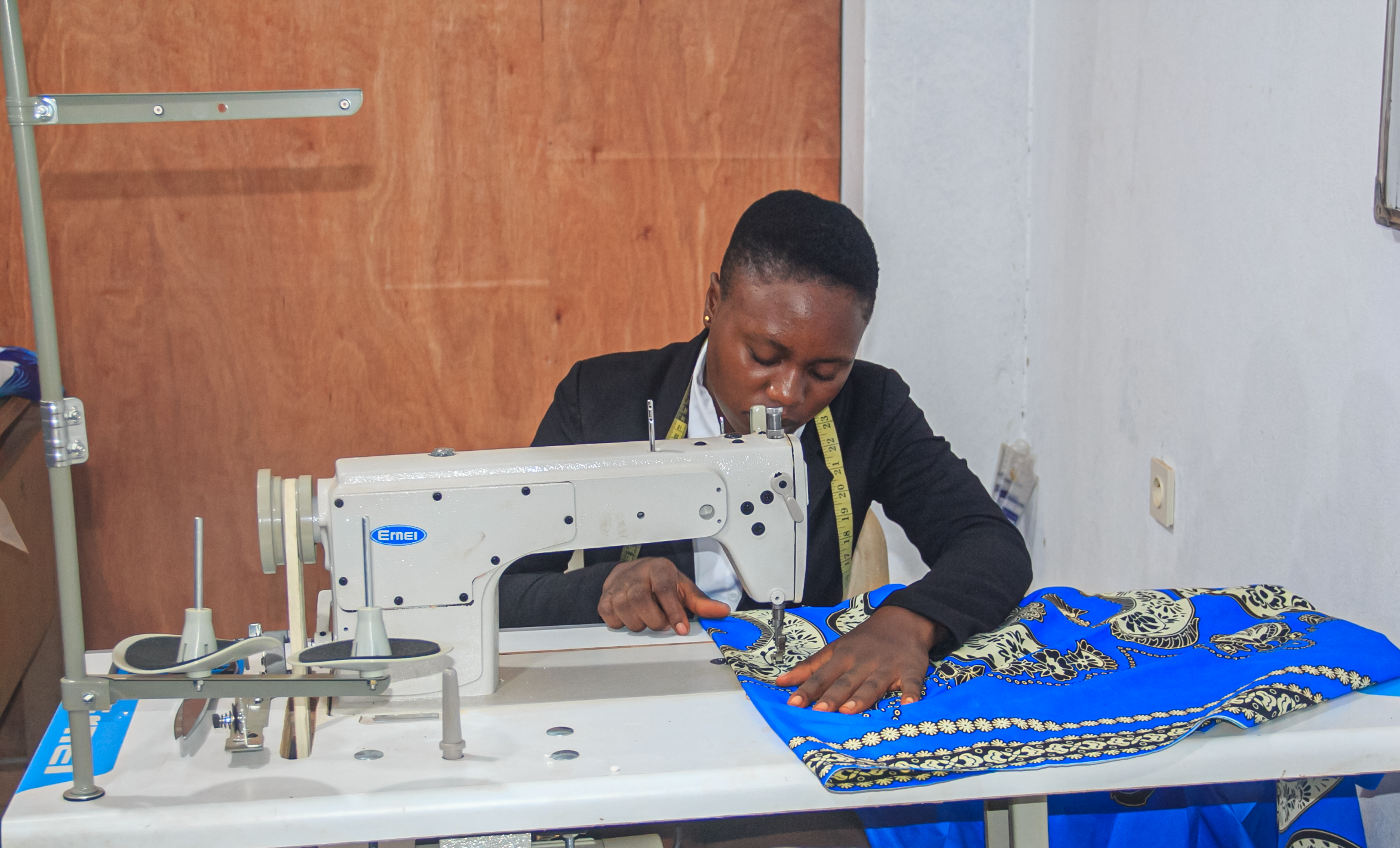
  • Haute Couture & Industrial Sewing: Mastering both delicate hand-finishing for luxury wear and high-speed industrial assembly for ready-to-wear lines.
  • Textile Engineering: Identifying and selecting appropriate fabrics based on weight, drape, and durability for specific garment types.
  • Digital Fashion Design: Operating CAD software (like Optitex or Lectra) to digitize patterns and reduce material waste through efficient marker making.
  • Collection Development: Conceptualizing and executing a cohesive range of garments from theme to runway presentation.

Target Audience

  • Baccalauréat/A-Level graduates with a strong creative flair, an eye for detail, and a passion for the global fashion industry.
  • Local tailors or designers looking to upgrade their technical skills with industrialized pattern-making and university-level engineering credentials.
  • Entrepreneurs wanting to establish textile manufacturing plants or commercial clothing brands.
  • Aspiring fashion stylists, creative directors, and costume designers for film and media.

Career Opportunities

Graduates can pursue roles such as:

  • Creative Director / Fashion Brand Owner
  • Technical Designer / Master Pattern Drafter
  • Production Manager in Garment Factories
  • Fashion Illustrator / CAD Designer
  • Fashion Stylist / Image Consultant
  • Costume Designer for Film & Theatre
  • Textile Quality Control Inspector

Opportunities for Further Studies

  • Master’s degrees in Fashion Design, Textile Technology, Luxury Brand Management, or Fashion Marketing.
  • Professional Certifications in:
    • Advanced CAD for Fashion (Lectra, Gerber, or Optitex)
    • Specialized Corsetry or Lingerie Design certifications
    • Fashion Retail and Merchandising Management
    • Sustainable Fashion and Circular Economy certifications

Transform your creative vision into a tangible brand. Master the technical precision and business strategy required to lead the global fashion market with the Fashion Design and Clothing program.