
School of Agricultural and Food Sciences

Food Technology

Program Overview

The journey of food from the farm to the consumer’s table requires rigorous scientific optimisation to ensure safety, quality, and extended shelf life. The Food Technology program at ISEST blends chemistry, biochemistry, microbiology, and process engineering to transform raw agricultural yield into nutritious, shelf-stable, and safely packaged commercial food goods.

This program addresses critical industrial challenges such as post-harvest preservation, food safety standard compliance, and value-added product development. Enrolling at the HND level and progressing to a B.Tech, students spend extensive time in laboratory and processing settings. They graduate with the precise engineering and biochemical skills required to manage production floors, run strict quality assurance audits, and innovate new recipes within the fast-growing food and beverage sector.
Main Objectives

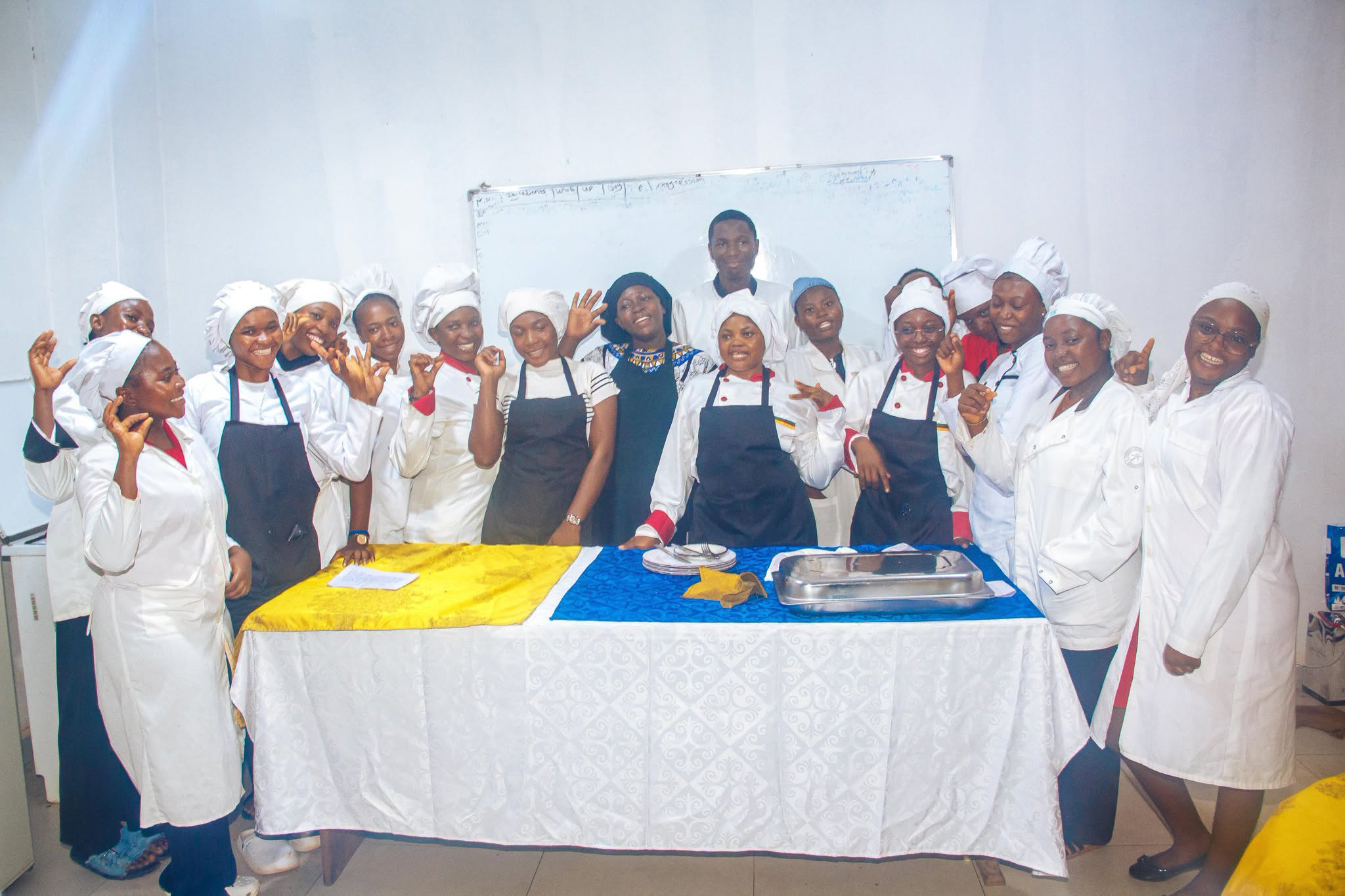
  • To teach the chemical, physical, and biological properties of food materials and how processing alters them.
  • To master modern food preservation, transformation, and packaging techniques that reduce industrial food waste.
  • To build advanced competency in food safety regulations, hazard analysis critical control points (HACCP), and international quality control standards.
  • To train students in utilizing industrial-grade processing machinery, testing laboratory equipment, and biochemical assays.
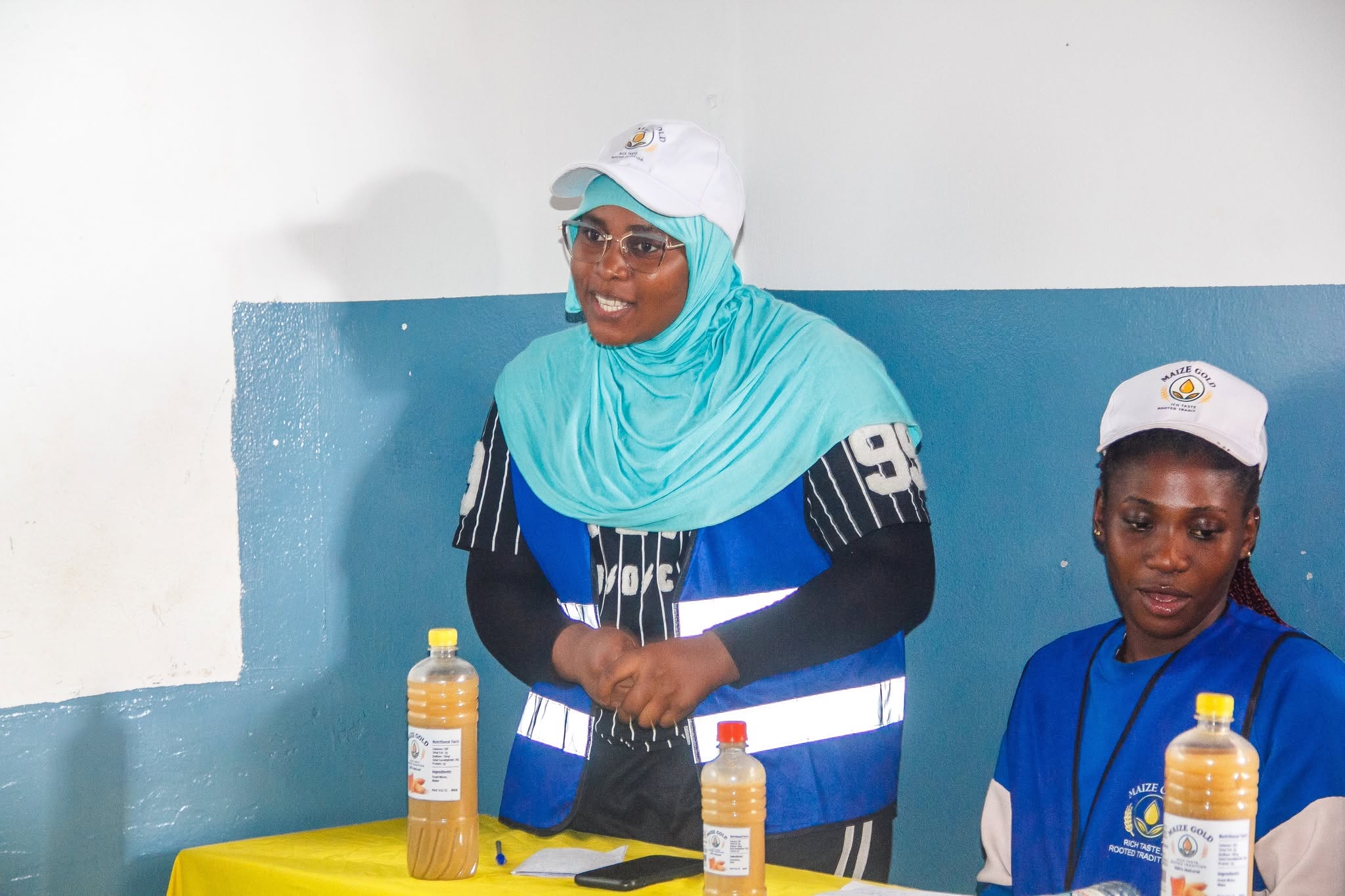
  • To develop entrepreneurial innovation by challenging students to design, test, and market brand-new food and beverage products.

Program Duration

2 Years

HND in Food Technology

1 Year

BTech in Food Technology

Internship

Included at both levels

Study Options

Day and Evening Sessions

Skills Acquired

Graduates of the program will be proficient in:

  • Food Preservation & Packaging: Applying canning, freezing, dehydration, fermentation, and modified atmosphere packaging (MAP) technologies.
  • Quality Control & Assurance (QC/QA): Conducting chemical analysis (titrations, chromatography) and microbial testing to audit product safety and shelf stability.
  • Industrial Food Processing: Operating commercial-scale mixers, pasteurizers, fermenters, extruders, and bottling lines.
  • Product Formulation: Developing balanced recipes, manipulating sensory profiles (taste, texture, color), and calculating nutritional profiling markers.
  • Regulatory Compliance: Implementation of HACCP systems, ISO 22000 hygiene guidelines, and international labeling requirements.
  • Supply Chain Logistics: Managing raw ingredient sourcing, storage, cold-chain transport configurations, and food inventory stability.

Target Audience

  • Baccalauréat/A-Level graduates with a strong interest in biology, chemistry, health, and engineering.
  • Hospitality, culinary, or agricultural operators looking to scale up from kitchen-level cooking to industrial-scale manufacturing.
  • Quality control technicians wanting to achieve formal accreditation and engineering expertise in industrial biotechnology.
  • Aspiring food scientists and consumer product innovators who want to build their own packaged food brands or processing factories.

Career Opportunities

Graduates can pursue roles such as:

  • Food Technologist / Product Developer
  • Quality Assurance (QA) / Quality Control (QC) Specialist
  • Food Processing Plant Manager
  • Food Safety Inspector / Regulatory Compliance Auditor
  • Sensory Analyst or Food Biochemist
  • Production Supervisor in Breweries, Dairies, or Mills
  • Agro-Industrial Processing Entrepreneur

Opportunities for Further Studies

  • Master’s degrees in Food Science and Technology, Food Engineering, Food Safety and Regulatory Affairs, or Biotechnology.
  • Global Professional Certifications in:
    • HACCP Certification (Levels 3 & 4)
    • ISO 22000 Lead Auditor (Food Safety Management Systems)
    • Certified Food Scientist (CFS)
    • Certified Quality Auditor (CQA) by ASQ

Preserve. Innovate. Nourish.
Take command of the science that feeds populations safely. Turn agricultural surpluses into premium, market-ready food innovations with the Food Technology program.