

Undergraduate Program

Geotechnics

Program Overview

The safety and longevity of every building, bridge, and dam depend entirely on the stability of the ground beneath it. The Geotechnics program at ISEST focuses on the engineering behavior of earth materials. Students explore how soil and rock respond to structural loads, moisture changes, and seismic activity to prevent foundation failures, landslides, and structural collapses.

This specialized program bridges the gap between geology and structural engineering. Enrolling at the HND level and progressing to a B.Tech, students spend significant time in geotechnical laboratories and on-site field investigations. They graduate with the technical expertise required to conduct soil sampling, perform laboratory stress tests, and design stable foundation systems for the most challenging terrain and industrial projects.
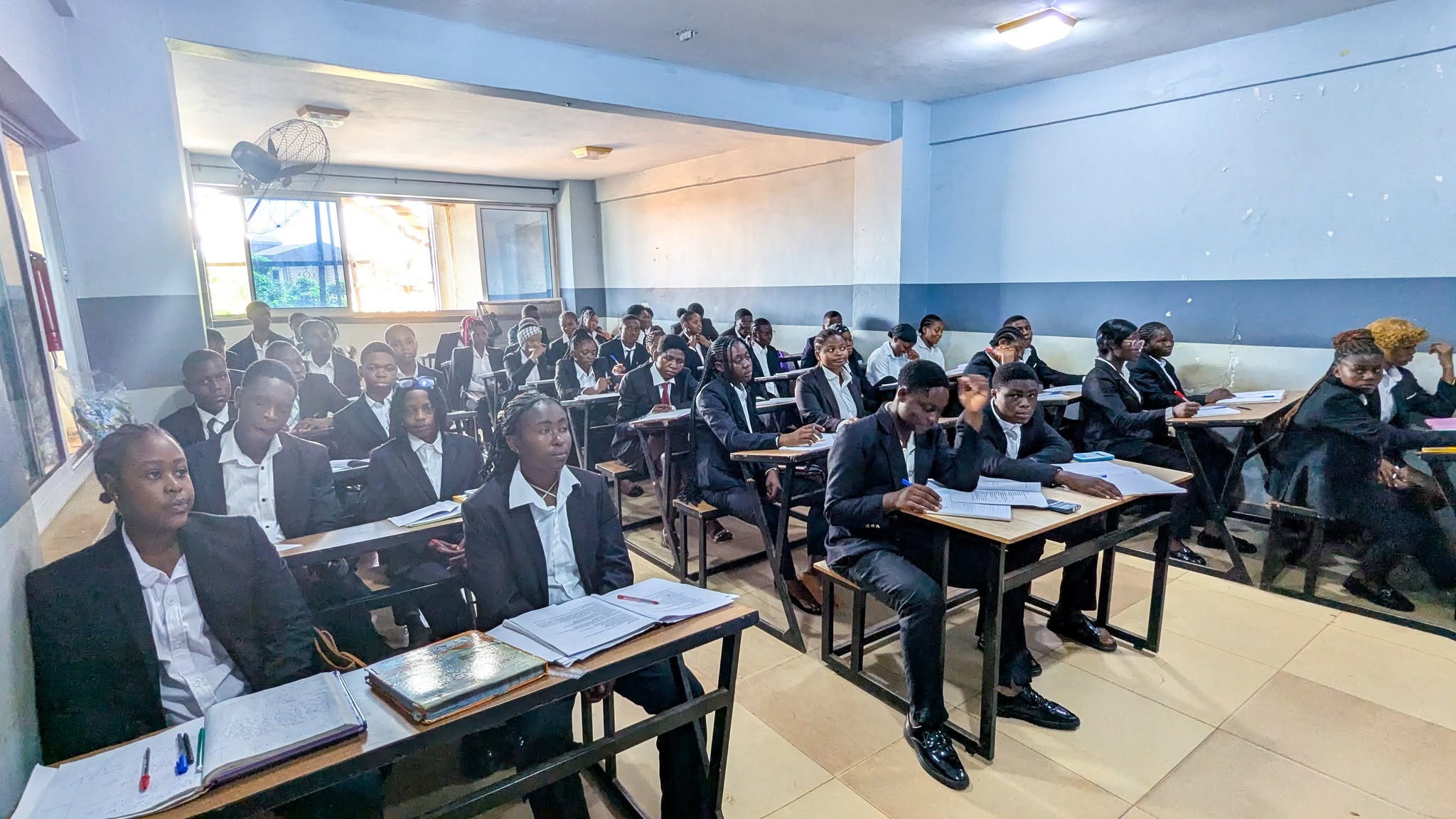
Main Objectives

  • To teach the physical and chemical properties of soils and rocks and their engineering classifications.
  • To develop expert proficiency in conducting field site investigations, borehole drilling, and soil sampling.
  • To train students in performing advanced laboratory tests, including compaction, shear strength, and consolidation analysis.
  • To build skills in designing stable foundations (shallow and deep), retaining walls, and embankments.
  • To equip graduates with the ability to assess and mitigate geological hazards such as soil erosion, slope instability, and land subsidence.

Program Duration

2 Years

HND in Geotechnics

1 Year

BTech in Geotechnics

Internship

Included at both levels

Study Options

Day and Evening Sessions

Skills Acquired

Graduates of the program will be proficient in:

  • Soil Mechanics & Testing: Executing Atterberg limits, sieve analysis, Proctor compaction, and California Bearing Ratio (CBR) tests.
  • Foundation Engineering: Calculating bearing capacity and settlement to determine the appropriate use of piles, rafts, or spread footings.
  • Slope Stability Analysis: Evaluating the risk of landslides and designing reinforcement structures like gabions, soil nails, and retaining walls.
  • Site Investigation Techniques: Managing CPT (Cone Penetration Test) and SPT (Standard Penetration Test) operations to create subsurface profiles.
  • Earthworks Supervision: Ensuring quality control during soil compaction and the stabilization of embankments for roads and dams.
  • Geotechnical Software Usage: Utilizing modeling software to simulate soil-structure interaction and groundwater flow.

Target Audience

  • Baccalauréat/A-Level graduates with a strong interest in geology, physics, and laboratory science.
  • Civil engineering technicians looking to specialize in high-demand subsurface and foundation engineering.
  • Lab technicians in construction firms who want to achieve formal accredited engineering status.
  • Aspiring environmental engineers and mining technicians interested in ground stability and earth structures.

Career Opportunities

Graduates can pursue roles such as:

  • Geotechnical Technician / Lab Manager
  • Soil and Materials Testing Specialist
  • Foundation Design Assistant
  • Site Investigation Supervisor
  • Earthworks Quality Control Officer
  • Geological Hazard Analyst
  • Mine Stability Technician

Opportunities for Further Studies

  • Master’s degrees in Geotechnical Engineering, Rock Mechanics, Foundation Engineering, or Engineering Geology.
  • Professional Certifications in:
    • Certified Geotechnical Engineering Professional
    • Advanced Soil Lab Management Certifications
    • Borehole Logging and Site Investigation specialized training
    • National Order of Civil Engineers (ONIGC) licensing

Analyze. Stabilize. Secure.
Master the earth beneath the infrastructure. Ensure the safety of the built environment by understanding the mechanics of soil and rock with the Geotechnics program.